
Pioneering the Future
Harnessing Biology for Better Health

March 16, 2026
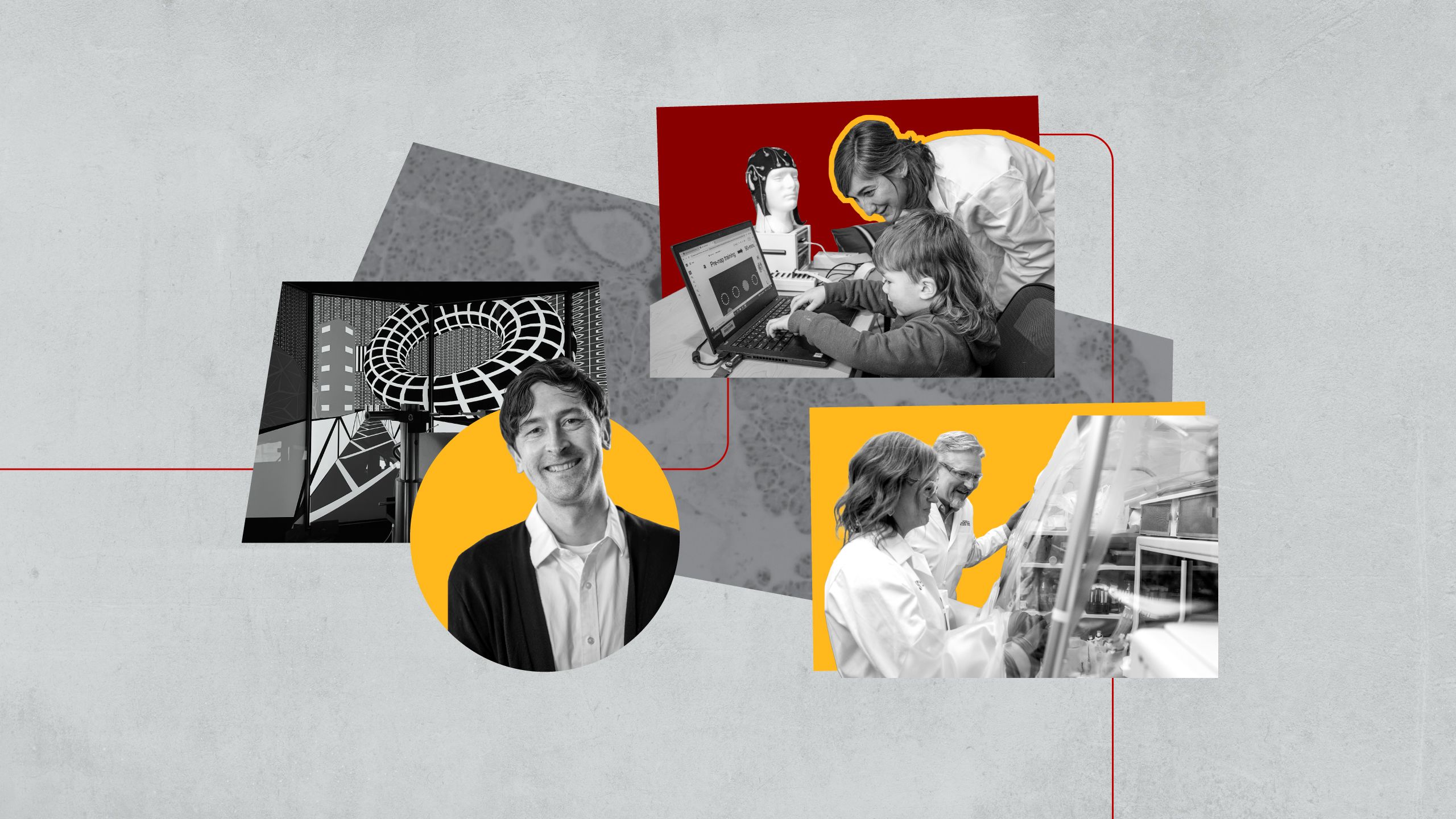
The cells inside our bodies do some surprising things to keep us healthy. The deeper scientists look into fundamental biological processes, like how our organs take shape or our brains process information, the more wonders they uncover. Applying the tools of modern biology to topics like these, researchers at U of U Health have learned:
- Time-keeping cells in the brain can adapt and learn, a discovery that may have implications for diagnosing Alzheimer’s disease.
- Brains can be directed to replay our experiences while we sleep, leading to better recall when we wake up. This tactic could be used as a strategy for strengthening memory and motor learning.
- Microbes in the gut are essential for building a pancreas with healthy insulin-producing cells, suggesting they might be used to develop new diabetes treatments.
Scientists at U of U Health and beyond are already acting on these advances, using them to learn more about human health and explore new strategies for treating disease.

Keeping Track of Time
Clocks are essential for keeping us in sync with the rhythms of the world. But we also rely on an internal awareness of the passage of time. We call on this innate sense constantly, using it to anticipate when dinner should come out of the oven, judge whether it’s safe to enter an intersection, and organize our day to complete necessary tasks. Our sense of time is generated by the brain, in cells and circuits that can be disrupted by injury or disease. When our brains struggle to keep track of time, it can skew the way we remember the past and make it harder to plan for the future. It can even interfere with the ways we move and communicate.
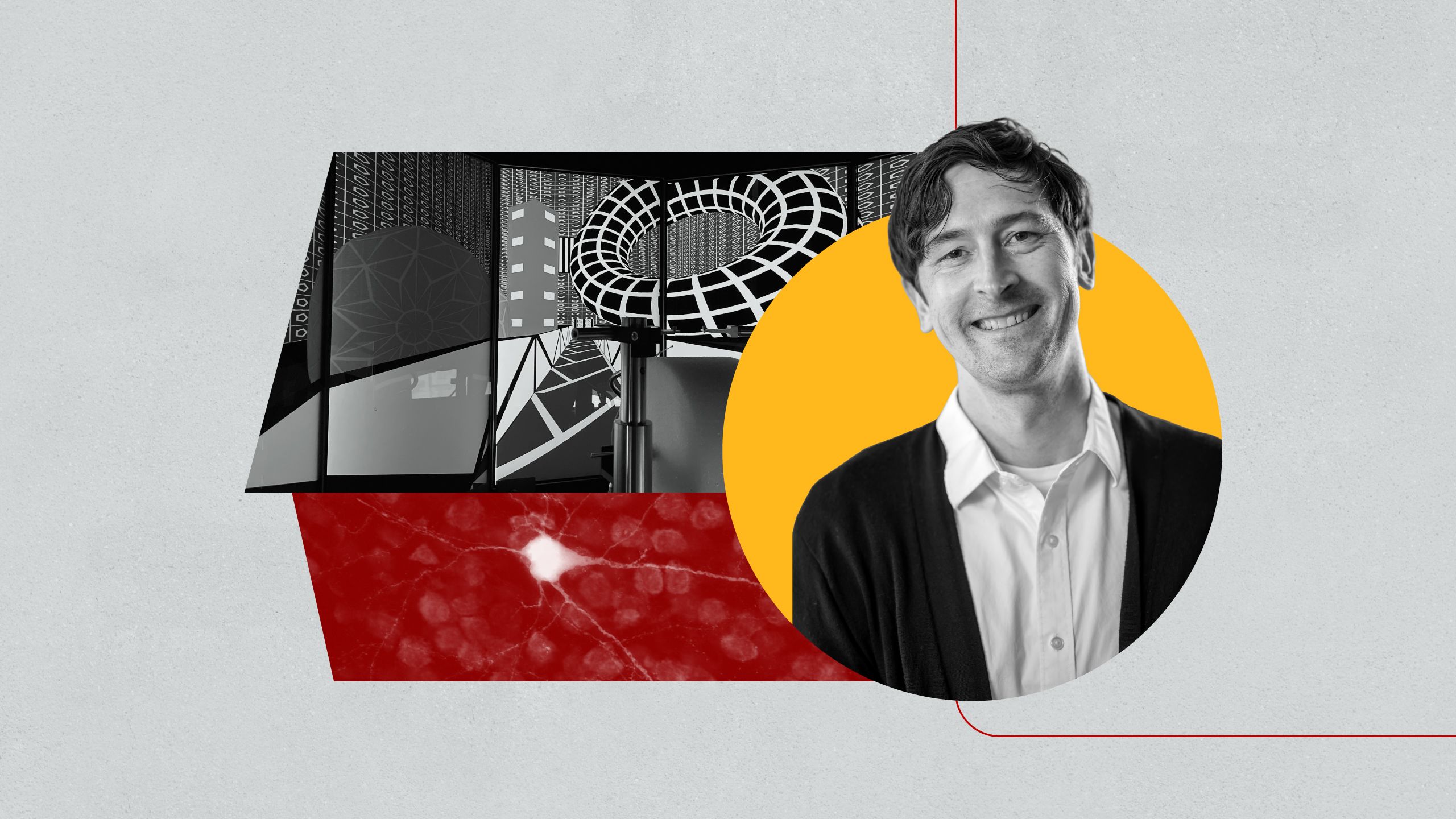
Many different parts of the brain seem to get involved in timekeeping, capturing information about time in patterns of neural activity, then using that information to make sense of events and coordinate actions. Neuroscientist Jim Heys, PhD, has peered inside the brains of mice to watch this neuronal timekeeping in action. To encourage mice to keep track of time, his team challenged mice to complete a complex task: They were exposed to a strong odor for a few seconds at a time, then given the opportunity to earn a reward by comparing the duration of pairs of scents. Heys and his colleagues found cells in a part of the brain called the entorhinal cortex that were essential for this task.
The time cells they found don’t just tick off time like a metronome. Instead, they changed their behavior as mice became more adept at discriminating the relative timing of odors, suggesting they may be important for understanding temporal relationships. The Heys Lab is now investigating how the brain balances time with reward to evaluate the value of an action. One benefit of understanding how the entorhinal cortex processes time could be better diagnosis of Alzheimer’s disease, which typically begins in this part of the brain. “We are interested in exploring whether complex timing behavior tasks could be a useful way to detect Alzheimer's disease in its earliest stages,” Heys says.

Better Learning with Brain Science
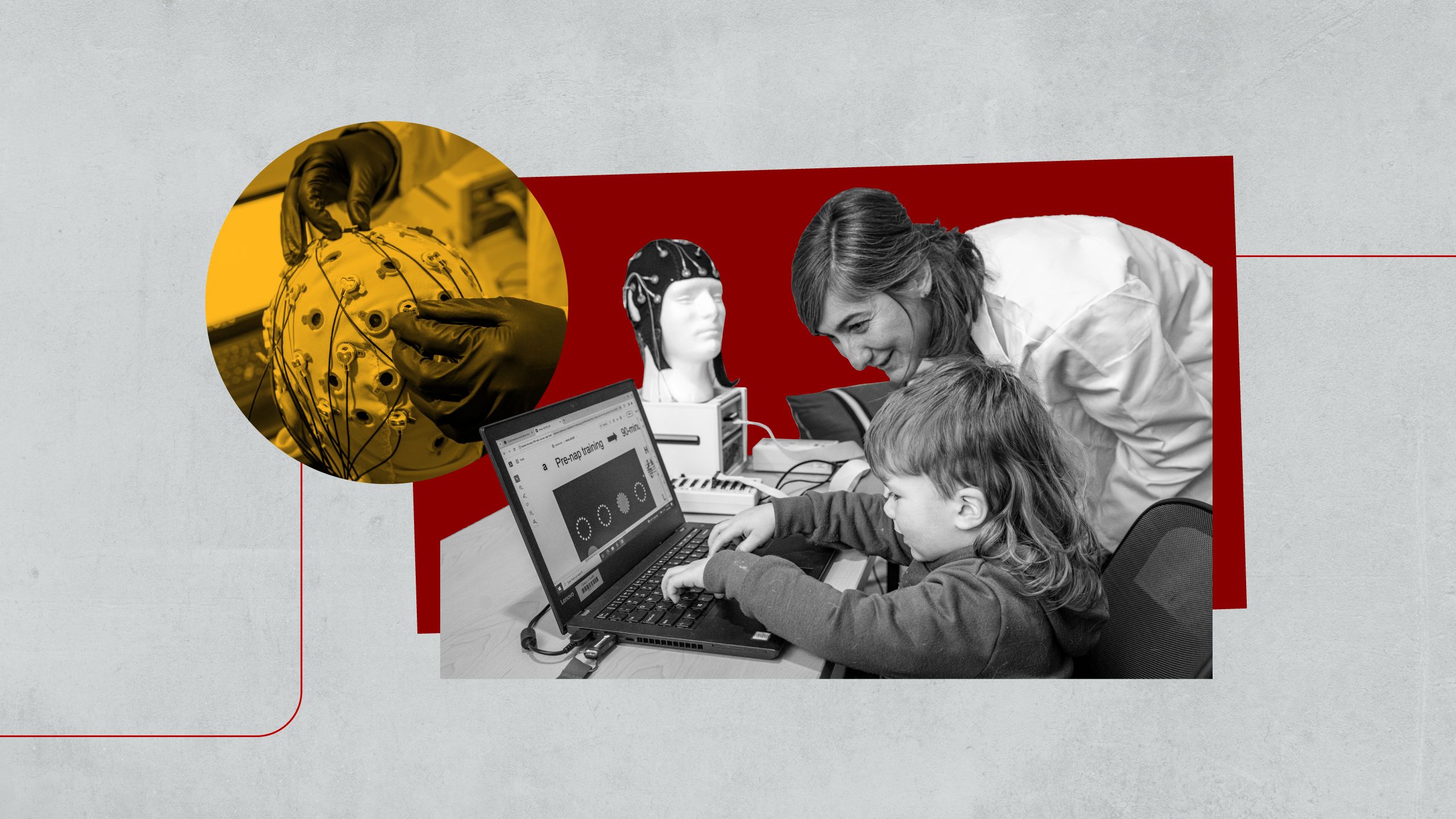
Learning something new can be exhausting. Fortunately, sleep is exactly what we need to make a new skill stick. Our bodies can rest while our brains keep learning—replaying experiences to solidify our memories and improve our future performance. Genevieve Albouy, PhD, an associate professor in the Department of Health & Kinesiology at the University of Utah College of Health, studies this process of memory consolidation, looking for ways learning might be enhanced.
Patterns of neural activity associated with new skills can be replayed by the brain spontaneously, which is important for long-term memory storage. But those patterns can also be provoked with cues linked to the learning experience, like a sound or a scent, in a procedure known as targeted memory reactivation. Albouy and her team used this approach to reactivate the memory of the sequence of movements people learned during the day. Participants heard a sound before they began learning the sequence, then again while they slept after their lesson. “The brain processes the sounds that are played during sleep, and we think they reactivate the memory trace that was associated with the sound during initial learning,” Albouy explains.
After waking up, participants tried repeating the same series of movements. If the memory had been reactivated with sound while they slept, they were able to complete the sequence more quickly. After a full night’s sleep, they were able to do it even faster, and the performance-enhancing effect of memory reactivation persisted.
The team even figured out the optimal timing for the memory-reactivating sound cues, demonstrating that they work best in specific time windows during the brain’s slow waves that are critical for neuroplasticity during sleep. Their work exploring how targeted memory reactivation impacts both behavior and brain activity could help researchers find ways to improve motor learning when it declines due to aging or neurological disease.

Microbial Support for Insulin Production
Type 1 diabetes affects more than 2 million people in the United States, many of whom have been managing their disease since childhood. Its symptoms appear after the immune system destroys insulin-producing cells in the pancreas, preventing the body from controlling the amount of sugar in the blood. Healthy pancreases release insulin to modulate cells’ access to sugar as needs change moment to moment. But people with diabetes must rely instead on insulin delivered via a pump or injections to keep their blood sugar levels safe.
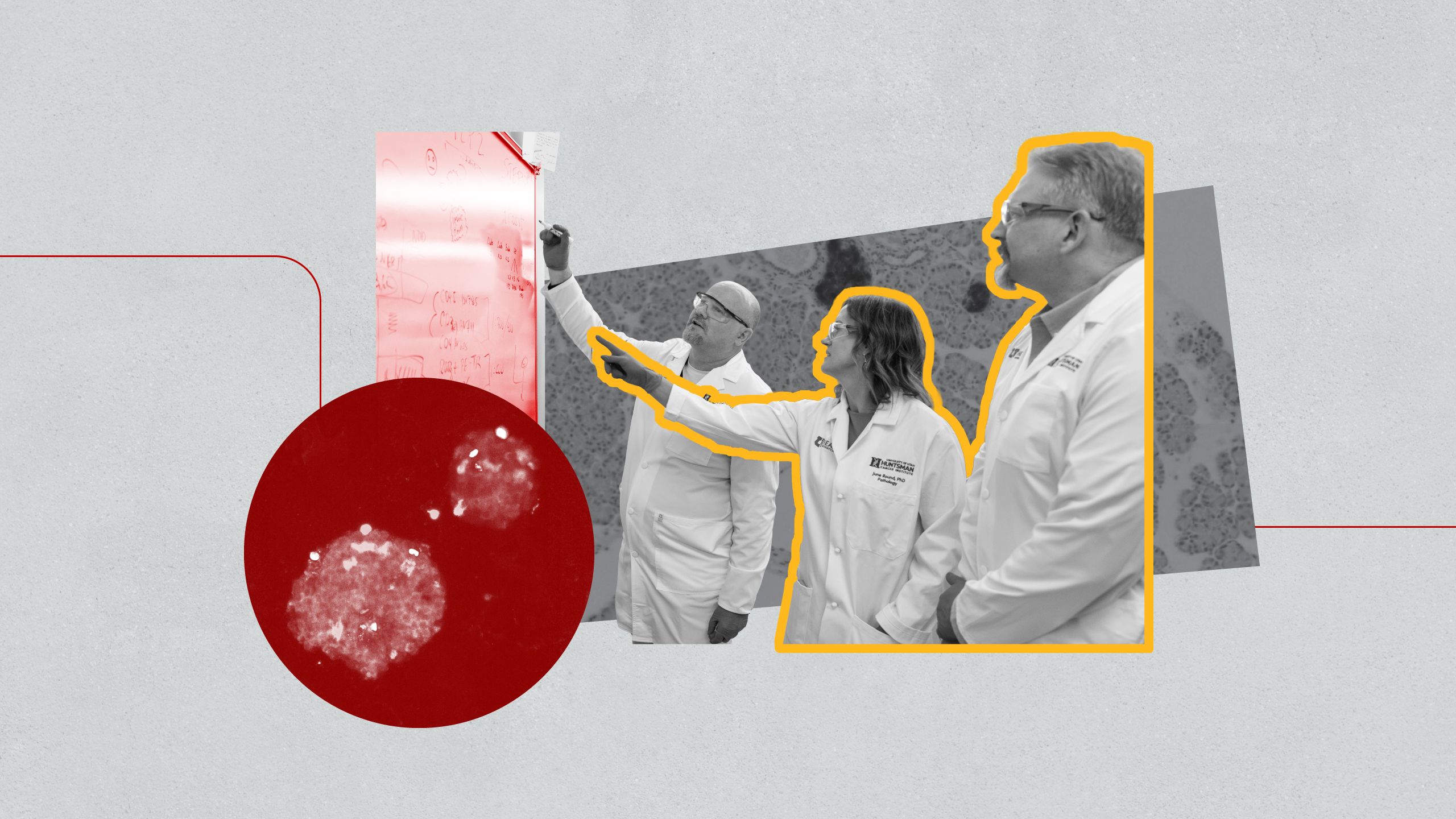
Researchers have been exploring how the pancreas’s insulin-producing cells are formed, in the hopes that they might one day be able to restore them after they have been lost. When Charles Murtaugh, PhD, an expert in pancreas development, teamed up with microbiome researcher June Round, PhD, and microbial ecologist Zac Stephens, PhD, to study this process in mice, they discovered that development of these cells—known as beta cells—depends on the early-life presence of certain microbes that live in the gut.
Murtaugh, Round, and Stephens found that if they treated infant mice with antimicrobial medications, altering their microbiomes during a key window for pancreas development, mice grew up with fewer beta cells and elevated levels of sugar in their blood. They were able to identify specific bacteria and fungi that promoted beta cell growth during development. This increased the insulin-producing capacity of the pancreas and protected mice from diabetes later in life. Remarkably, they could even use these microbes to restore insulin production in adult mice. Their findings could lead to new diabetes treatments or prevention strategies.
“What I hope will eventually happen is that we're going to identify these important microbes and we'll be able to give them to infants so that we can perhaps prevent this disease from happening altogether,” Round says.
Pioneering the Future: Stories of Discovery & Innovation at University of Utah Health
Produced by Kyle Wheeler & Julie Kiefer
Written by Jennifer Michalowski
Editing by Julie Kiefer & Nick McGregor
Layout by Kyle Wheeler
Designs by Modern8
Photography by Charlie Ehlert, Emily Bade, & Jim Heys

 Built with Shorthand